Hey, just so you know, some of the links on this site are affiliate links. That means I may earn a small commission if you buy something through them. It doesn’t cost you anything extra, and it helps me keep this site running. Thanks for your support!
An anchor habit is a small action attached to something that already happens reliably. Instead of trying to remember a new behavior at a random time, you use an existing routine as the cue.
The idea is useful because the anchor reduces one decision: when the new action should happen. You still have to choose a realistic behavior, but you do not have to invent a separate reminder system for every habit.
What an anchor habit looks like
The anchor is the existing behavior. The new habit is the small action that follows it.

- After I start the coffee, I will review today’s three priorities.
- After I put my keys down, I will place the mail in the inbox tray.
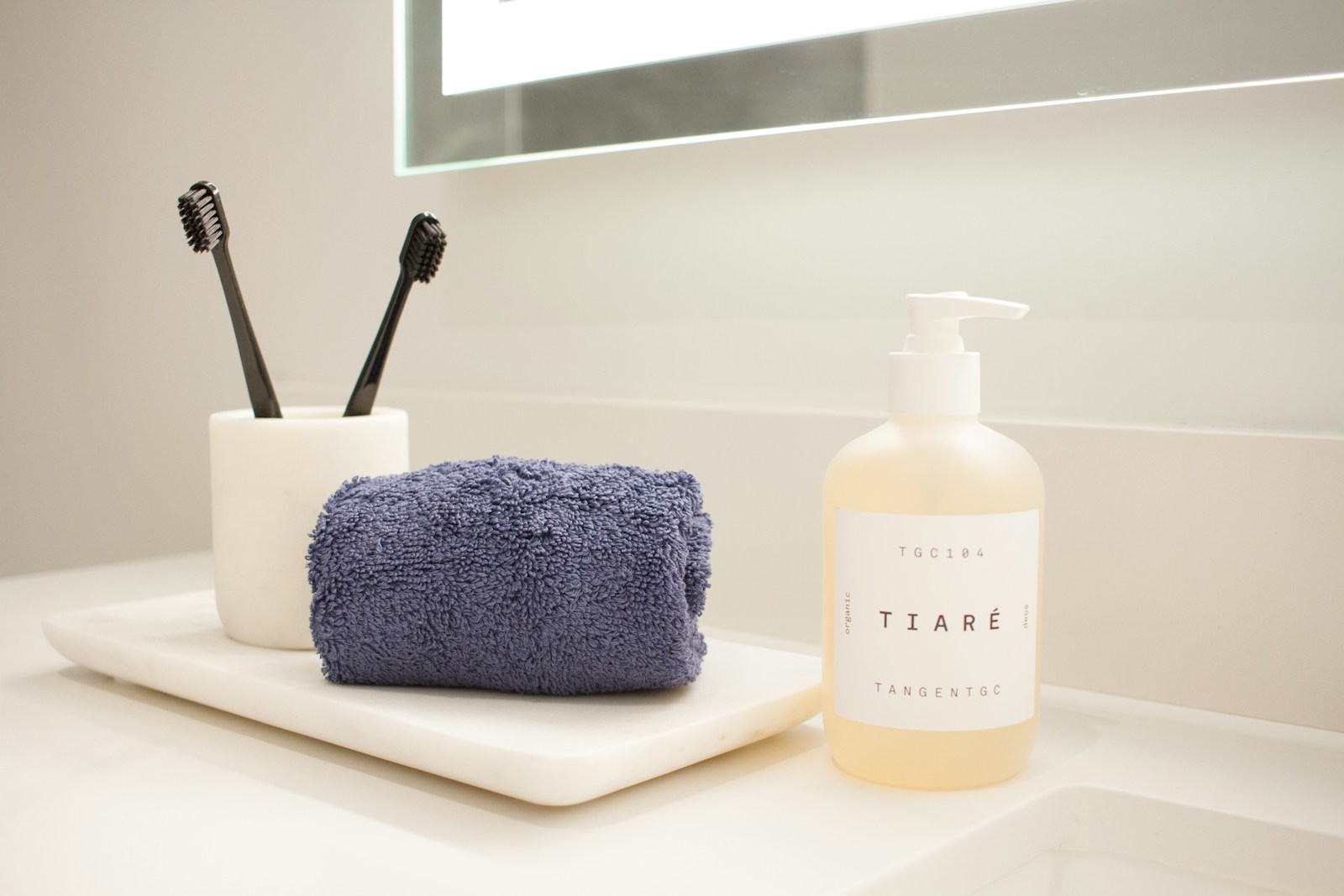
- After I brush my teeth at night, I will set out what I need for the morning.
- After I close my laptop, I will clear the desk surface for tomorrow.
These examples work because the cue is concrete. “After I feel motivated” is not a useful anchor. “After I turn off the kitchen light” is.
Choose the anchor before the habit
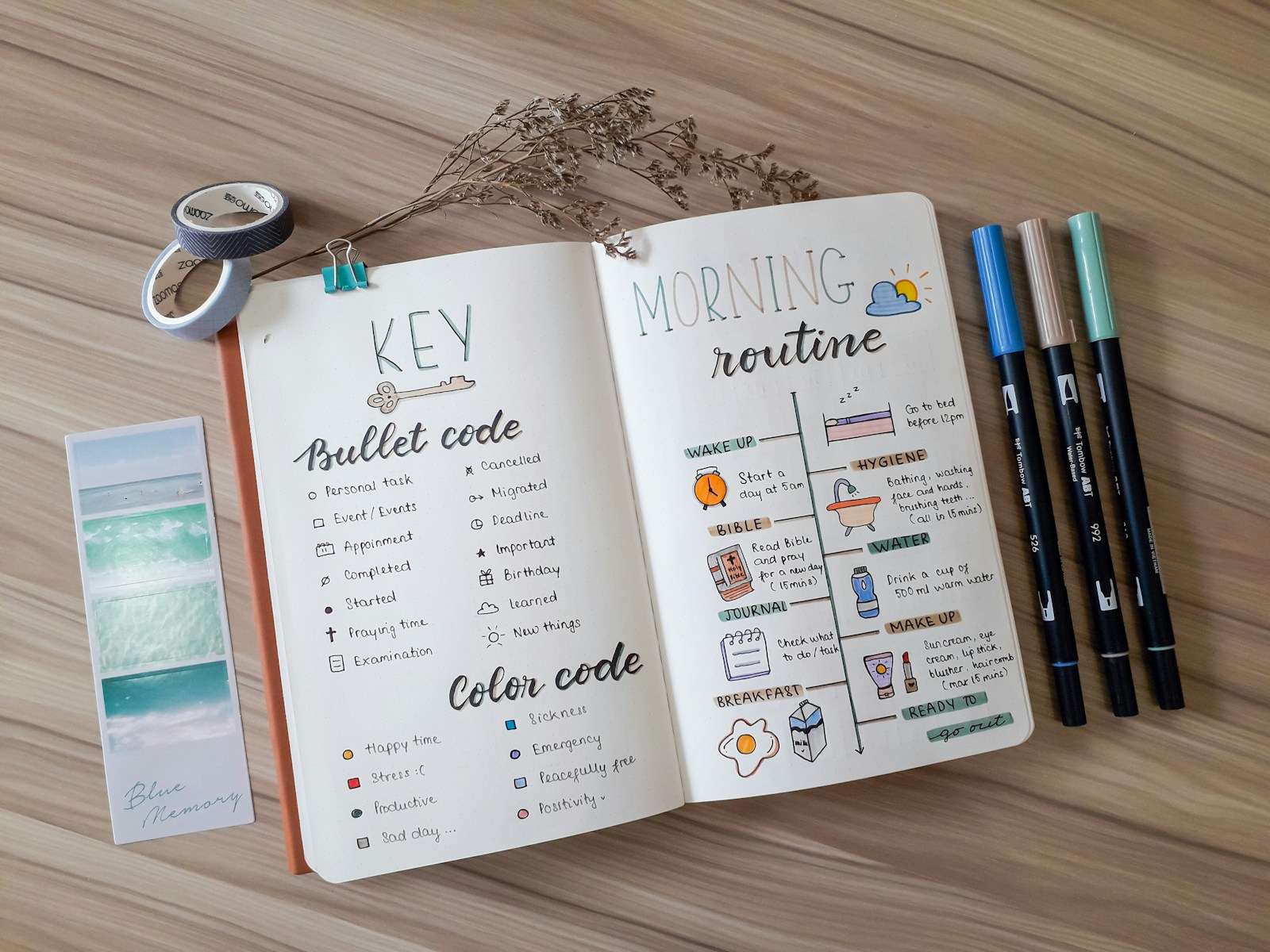
Look for actions that already happen with little effort: starting the car, making coffee, feeding a pet, closing work, plugging in your phone, putting away dinner or brushing your teeth.
Then choose a new action small enough to fit immediately after that cue. The first version should feel almost too easy.
Keep the first version small
If your goal is to journal, the anchored habit might be writing one sentence. If your goal is to organize the kitchen, the habit might be clearing one counter after dinner. If your goal is to plan the day, the habit might be checking the calendar before opening email.
You can expand later. Starting with a small behavior makes it easier to learn whether the cue actually fits your life.
Use environment, not willpower, to support the habit
Put the needed item where the anchor happens. Keep the notebook near the coffee maker. Put the mail tray where you enter the house. Leave the walking shoes near the door if the anchor is returning home from work.
This is not about creating a perfect environment. It is about removing one or two unnecessary steps.
Common mistakes
- Choosing an anchor that does not happen consistently.
- Making the new behavior too large for the available moment.
- Stacking five new habits onto one cue.
- Using a vague action such as “be productive” instead of a visible behavior.
- Keeping the system after your routine changes instead of choosing a new anchor.
Test the habit for two weeks
The useful question is not whether you performed the behavior perfectly. Ask whether the anchor was easy to notice and whether the new action naturally fit after it. If not, change the cue, shrink the action or move the habit to a better part of the day.
For more practical habit and goal systems, continue to Personal Growth. If your habit is mainly about managing mornings, evenings or household routines, Better Daily Life may be the better path.
An anchor habit works best when it disappears into a routine you already have.