Hey, just so you know, some of the links on this site are affiliate links. That means I may earn a small commission if you buy something through them. It doesn’t cost you anything extra, and it helps me keep this site running. Thanks for your support!
Quick answer: clear bins are best when visibility helps you find items quickly. Opaque bins are better when visual calm matters or when the contents do not need to stay on display. The best choice depends on the room, how often you access the category and whether labels are part of the system.
Clear bins: strengths
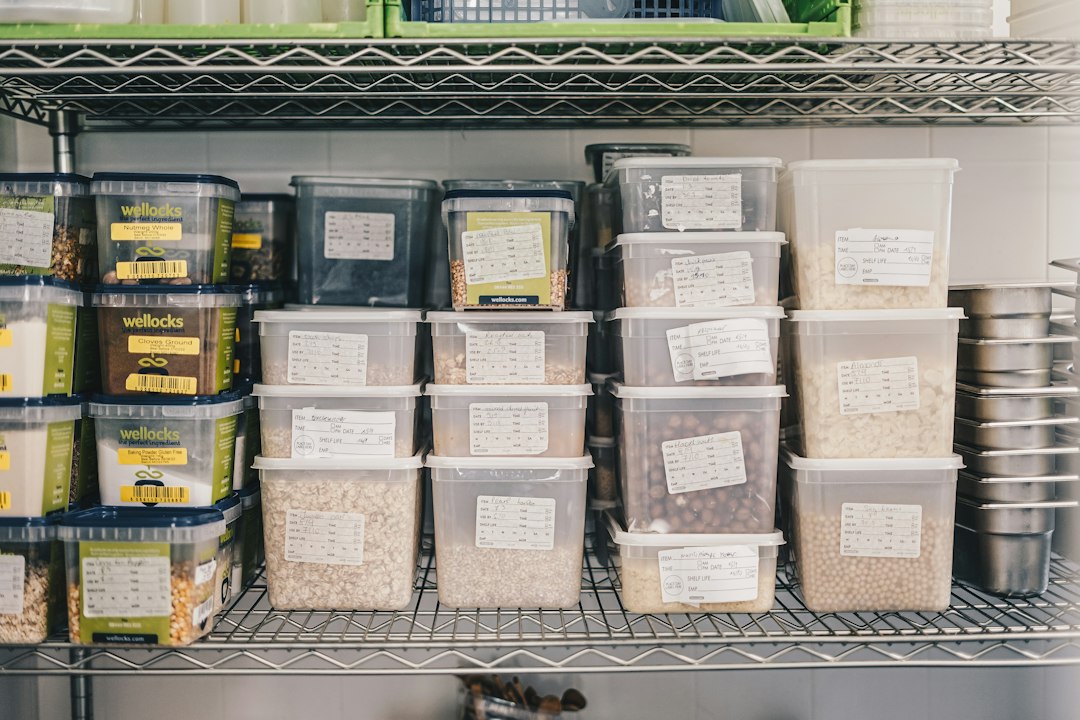
Clear bins make contents visible without opening the container.
They work especially well for:

- garage shelves;
- craft supplies;
- seasonal items;
- small electronics;
- pantry back stock;
- categories shared by several people.
Visibility reduces guessing and can prevent duplicate purchases.
Clear bins: limits
Transparency also means visual clutter stays visible.
A shelf of clear containers can still look busy if each bin contains many colors, packages or loose objects.
Clear plastic can also become scratched or cloudy over time depending on material and use.
Opaque bins: strengths
Opaque bins hide visual noise and can make open shelving look calmer.
They fit well for:
- living rooms;
- bedrooms;
- closets;
- open shelving;
- categories you do not need to inspect at a glance.
They can also reduce the temptation to treat a shelf like a display wall.
Opaque bins: limits
If you cannot see the contents, labels become more important.
Opaque bins can also hide forgotten inventory. Deep containers are especially easy to overfill.
Side-by-side decision factors
Visibility
Clear: easy to scan.
Opaque: requires memory or labels.
Appearance
Clear: practical, but contents remain visible.
Opaque: cleaner visual presentation on open shelves.
Shared use
Clear: easier for multiple people to identify quickly.
Opaque: works well if labeling is clear and consistent.
Dust and protection
Both can protect contents when they have well-fitting lids. Check the manufacturer’s actual lid design and material specifications rather than assuming every bin is airtight, waterproof or pest-proof.
Cost
Cost varies by material, size and brand. Compare price per usable volume rather than package count alone.
Which works best by room?
Garage
Clear bins often make sense because quick identification matters.
Bedroom closet
Opaque bins can create a calmer look, especially for seasonal categories.
Kids’ spaces
Clear bins can help children see where toys belong, but open baskets may be even easier for very frequent-use items.
Pantry
Clear bins can help with loose packets and back stock. Original food packaging may still be important for instructions, dates and allergen information.
Living room
Opaque baskets or bins often blend into the room more naturally.
Labels can change the decision
A clear bin may still need a label when similar categories overlap. An opaque bin almost always benefits from one.
Use simple labels that name the category, not a complicated code.
Common mistakes
- buying an entire matching set before measuring;
- using deep bins for small items;
- assuming clear means maintenance-free;
- hiding mixed categories in opaque bins;
- choosing by appearance without considering access;
- stacking bins so high that the lower ones are difficult to reach.
How to choose before buying
- define the category;
- measure the shelf;
- decide how often the bin will be opened;
- decide whether visibility helps;
- check lid and material specifications;
- buy the smallest number needed.
This is research-based guidance, not hands-on testing of every storage-bin model.
Once the need is clear, browse Happi Resources or compare current options through our approved Amazon route.
What to do next
Choose one shelf and decide whether visibility or visual calm matters more there. Then read Small-Space Storage: 15 Ways to Add Function Without Adding Clutter.