Hey, just so you know, some of the links on this site are affiliate links. That means I may earn a small commission if you buy something through them. It doesn’t cost you anything extra, and it helps me keep this site running. Thanks for your support!
Quick answer: a simple cleaning kit should cover the surfaces you actually maintain without filling a cabinet with single-purpose products. Start with a small set of compatible cleaners, reusable cloths, basic tools and one portable caddy. Add specialty products only when a specific surface or problem requires them.
Start with your home’s surfaces
Before buying anything, list the surfaces you clean most: sealed counters, glass, bathroom fixtures, floors, appliances and so on. Product choice should follow manufacturer care instructions for those surfaces.
A cleaner that is appropriate for one material may be unsuitable for another, so “one bottle for absolutely everything” is not always the right goal. Simplicity means fewer purposeful products, not ignoring surface requirements.

The core tools most homes can use
- Reusable cleaning cloths: keep enough to rotate through the week.
- Scrub brush or non-scratch sponge: choose based on the surface.
- Small detail brush: useful for edges and fixtures.
- Gloves: useful when a product label or task calls for them.
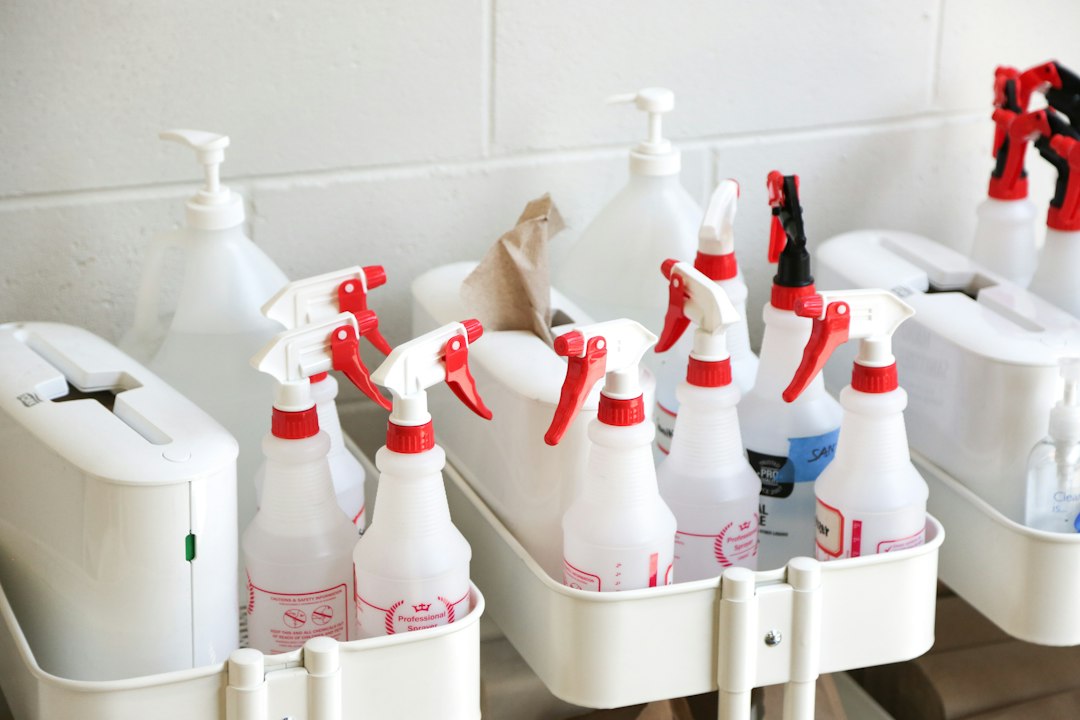
- Portable caddy or basket: keeps the active kit together.
- Trash bags: one or two in the caddy can save extra trips.
Choose cleaners by job, not by marketing category
You may need a general surface cleaner, a glass cleaner and a bathroom-specific product. Some households need a dedicated floor product or appliance cleaner. Others do not.
Read product labels and the care guidance for your surfaces. The U.S. Environmental Protection Agency advises following label directions and not mixing cleaning products unless directed; the CDC specifically warns never to mix household bleach or disinfectants with other cleaners or disinfectants. More product is not automatically more effective.
Build one portable working kit
Keep the products you use most in a caddy that can move from room to room. Store refills and less frequently used specialty products separately.
This prevents the active kit from becoming a storage bin for everything under the sink.
Use color or location to control cloths
If you reuse cloths, create a simple distinction between kitchen, bathroom and general-dusting cloths. The system can be color, a labeled bin or separate storage locations. It does not have to be complicated; it just needs to be obvious enough that the right cloth is easy to grab.
What you can often skip
- Multiple cleaners that perform essentially the same job.
- Decorative containers that hide labels or instructions.
- Large quantities of a product you have never used before.
- Single-purpose gadgets that solve a once-a-year problem.
- Mixing tools and chemicals into one overfilled basket.
Create a refill rule
Keep one backup only for products you reliably use. When the active bottle moves into service, put the refill on the shopping list. This prevents both emergency shortages and a cabinet full of duplicates.
Store the kit safely and logically
Follow product labels for storage. The EPA recommends keeping hazardous household products in their original containers and retaining their labels, and CDC guidance says cleaning chemicals should be stored out of reach of children and pets. Keep the everyday caddy in a location that makes cleaning easier without making hazardous products casually accessible.
Buy only what the kit is missing
Take inventory before shopping. If you need a new caddy, microfiber cloths, brush or other basic tool, browse Happi Resources or compare current options through our approved Amazon route.
What to do next
Pull every cleaning product into one place, identify duplicates and choose the smallest set that covers your actual surfaces. Then pair the kit with the realistic home cleaning schedule and the Home & Everyday Living hub.
Quick questions about a simple cleaning kit
Can one all-purpose cleaner replace everything?
Only if its label and the care instructions for your surfaces support those uses. Some materials and tasks need different products.
Should you pour cleaners into matching bottles?
Keeping products in their original labeled containers is usually the clearest way to preserve directions, warnings and identification. Follow the manufacturer’s instructions for storage and use.
How many cloths should the kit include?
Enough to rotate through normal cleaning without reusing a heavily soiled cloth. Keep the number practical for your laundry routine rather than buying a large pack by default.