Hey, just so you know, some of the links on this site are affiliate links. That means I may earn a small commission if you buy something through them. It doesn’t cost you anything extra, and it helps me keep this site running. Thanks for your support!
Quick answer: a beginner home workout setup does not require a room full of equipment. Start with safe, clear floor space and a routine you can perform consistently. Add a mat, resistance bands or a small pair of weights only when those tools support exercises you already intend to do.
This guide is general information, not individualized exercise or medical advice. If you have a chronic condition, disability, injury concern or uncertainty about appropriate activity, a qualified health professional can help you choose a safe starting point.
Start with the activity, not the shopping list
Decide what you plan to do at home. Walking in place, body-weight movements, mobility work, resistance-band exercises and basic strength training require very different setups. Buying equipment first can create clutter without creating a routine.

Federal physical-activity guidance for adults includes aerobic activity plus muscle-strengthening activity; the CDC notes that adults can spread activity across the week and that resistance bands and weights are among the ways people can perform strengthening work. The most important equipment decision is therefore not “what is popular?” but “what supports the activity I will actually do?”
What you need before any equipment
- Clear floor space: enough room to move without hitting furniture, cords or sharp edges.
- Stable footing: a surface appropriate for the movement you are doing.
- Air and temperature comfort: especially in garages, basements or small rooms.
- A way to track time: a phone timer or wall clock is usually sufficient.
- A simple plan: know the movements before the session starts.
Equipment worth considering first
Exercise mat
A mat can make floor-based work more comfortable and can define a dedicated workout area. Choose thickness based on the surface and the movements you plan to do rather than assuming thicker is always better.
Resistance bands
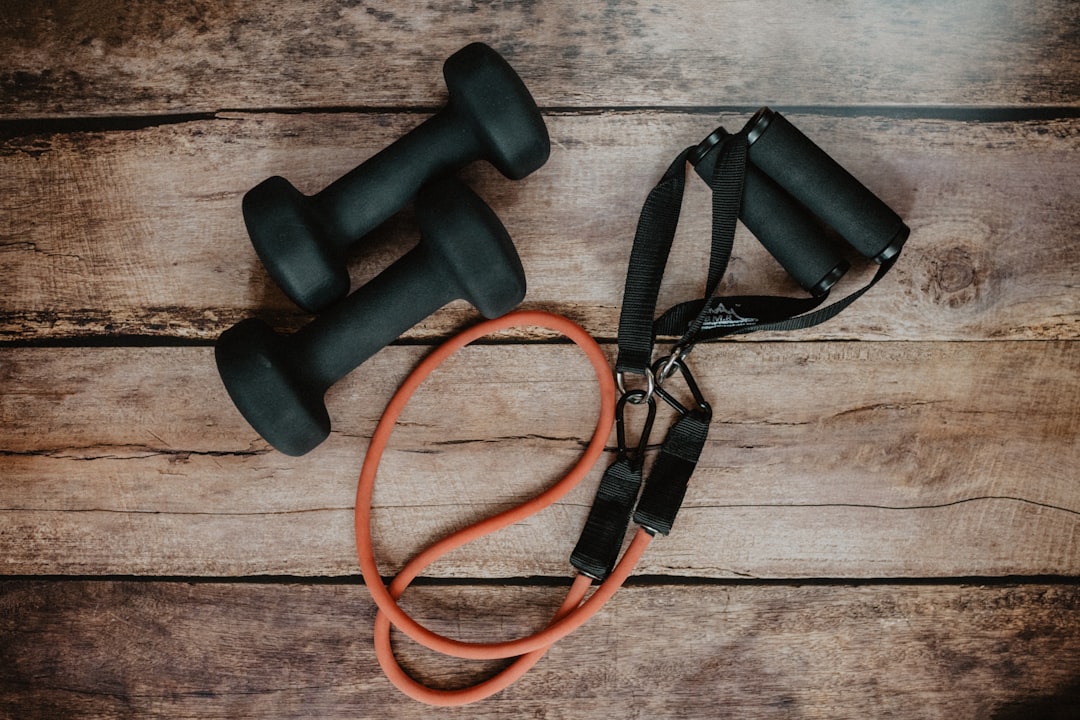
Bands are compact, relatively inexpensive and easy to store. Different styles serve different purposes, so check the manufacturer’s resistance ratings and instructions. Inspect bands for damage before use and follow product guidance for anchoring.
One adjustable or modest weight option
You do not need a full rack on day one. If your plan uses external resistance, a small set of dumbbells or an adjustable option may be enough. Choose loads you can control with good technique; this article does not prescribe individual weights or repetitions.
Optional bench or step
Only add larger equipment if it supports a routine you are already following and the product is designed for that use. A household chair is not automatically a safe substitute for exercise equipment.
What beginners can usually skip at first
- Large multi-station machines.
- Several sets of nearly identical accessories.
- Expensive screens or subscriptions before you know what format you enjoy.
- “Fat-burning” or transformation products making outcome promises.
- Equipment that requires permanent floor space you do not realistically have.
How much exercise should you aim for?
The CDC’s current adult guidance says adults should work toward at least 150 minutes of moderate-intensity aerobic activity per week and muscle-strengthening activity on at least two days, while also emphasizing that activity can be broken into smaller chunks and that some activity is better than none.
That is a population-level guideline, not a personalized workout prescription. A beginner can focus first on building a routine that matches current ability and can be repeated safely.
Build the setup around consistency
Keep equipment visible enough to use but contained enough that it does not take over the room. A basket for bands, a mat stored upright and one small weight area can be more sustainable than a complicated home gym.
If you need basic equipment, compare current specifications and sizing through Happi Resources or our approved Amazon route. Avoid buying several products until you know which movements are staying in your routine.
What to do next
Clear a safe workout area and choose one activity you can repeat this week. Then read How to Start a Daily Walking Habit Without Overcomplicating It and browse the Active Lifestyle hub for general, nonclinical movement ideas.