Hey, just so you know, some of the links on this site are affiliate links. That means I may earn a small commission if you buy something through them. It doesn’t cost you anything extra, and it helps me keep this site running. Thanks for your support!
Quick answer: a calmer evening does not require a perfect bedtime ritual. It usually starts by reducing friction in the hour or two before bed: close a few household loops, lower unnecessary stimulation, prepare tomorrow’s essentials and give yourself a clear stopping point for the day.
The goal is not to optimize every minute. It is to make the transition from “still handling things” to “the day is winding down” feel easier.
Start with the environment, not a long routine
Before adding candles, supplements, apps or elaborate rituals, look at the room around you. Is the kitchen still asking for attention? Is tomorrow’s bag half-packed? Are bright screens, open tabs, laundry piles and unfinished tasks all competing for attention?

Pick the two or three environmental cues that make evenings feel most unfinished. Those are usually more useful to address than building a brand-new routine.
Create one visible “day is closing” signal
A transition cue can be simple:
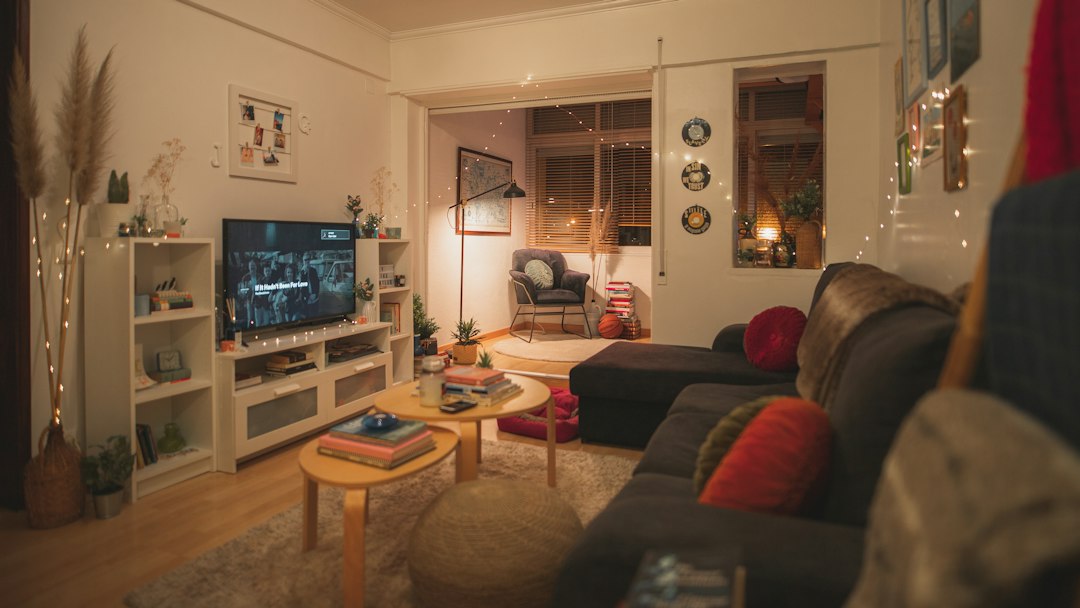
- turn off overhead lights in the main room;
- clear the kitchen counter;
- put work materials away;
- plug in the devices you need tomorrow;
- change into comfortable clothes;
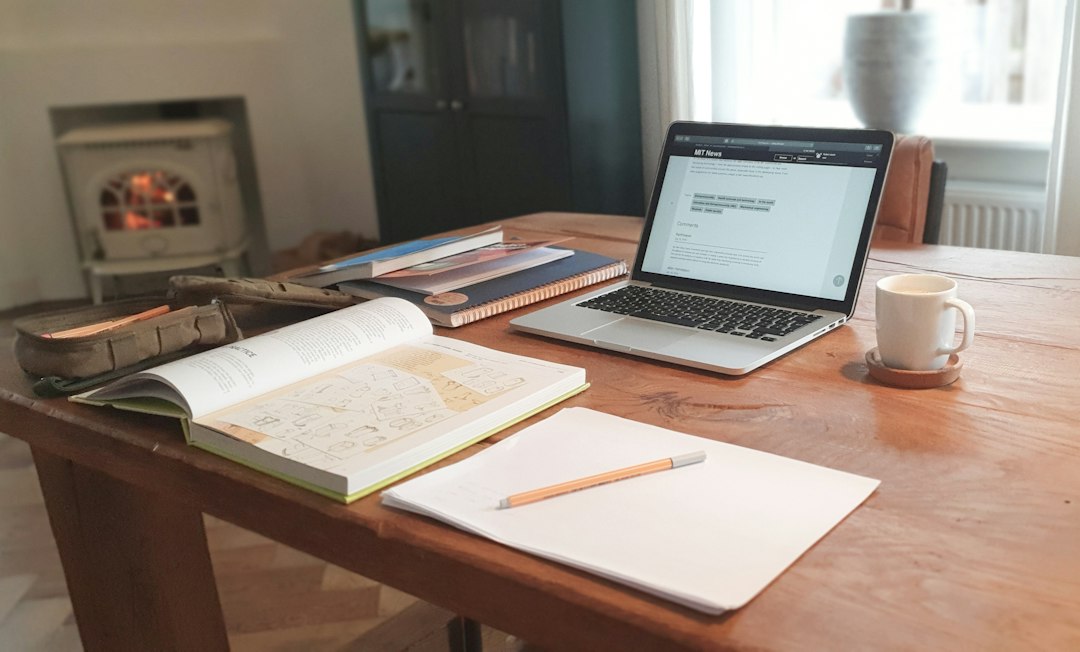
- close the laptop and move it out of sight.
The signal does not need to be relaxing in a dramatic sense. It simply tells your brain and your household that active-day mode is ending.
Reduce tomorrow morning’s friction
Evenings often feel calmer when you know tomorrow is not waiting with ten preventable problems.
Use five minutes to stage essentials:
- keys, wallet and bag;
- work or school materials;
- clothing if mornings are rushed;
- one breakfast or lunch item that can be prepared safely in advance;
- the first appointment or departure time.
This overlaps naturally with the 20-Minute Evening Reset, but your calmer-evening version can be smaller.
Choose what you are not doing tonight
A major source of evening tension is an invisible list of tasks you feel you “should” finish.
Write down anything important that still needs attention and assign it a next step. Once it is captured, stop renegotiating it mentally every few minutes.
Examples:
- “Call insurance tomorrow at lunch.”
- “Move laundry first thing Saturday.”
- “Review that email during tomorrow’s admin block.”
A captured task is easier to leave alone than a vague obligation.
Make screens more intentional
You do not have to create a strict no-screen rule unless that works for you. Instead, decide what the screen is for.
Watching one episode is different from cycling through email, news, social media and shopping tabs at the same time. If the screen is entertainment, let it be entertainment. If it is work, give the work a stopping time.
Keep personal care simple
Your evening personal-care routine should match what you actually use, not a 12-step checklist copied from someone else.
Keep everyday items visible or grouped together. Refill them before they run out. Remove products you routinely skip. The simpler the setup, the less the routine feels like another project to complete.
Common mistakes that make evenings feel busier
- Doing a full-house reset every night. Close the loops that matter most.
- Adding too many “healthy” habits at once. A longer checklist can create more pressure.
- Using the evening to catch up on every delayed task. Protect a stopping point.
- Leaving tomorrow undefined. One quick calendar check can remove a lot of uncertainty.
- Changing the routine constantly. Let a simple version become familiar.
Build a 15-minute version
If you want a practical starting structure, try:
- 5 minutes — clear one main surface;
- 5 minutes — stage tomorrow’s essentials;
- 3 minutes — check the calendar and capture unfinished tasks;
- 2 minutes — put away work materials and switch the room into evening mode.
That is enough. Anything beyond it is optional.
How to keep the system working
Notice which step has the biggest effect on the next morning. Keep that step even when the rest of the routine gets shortened.
For more practical, nonclinical routine ideas, continue to the Self-Care & Simple Style hub. Your next action tonight: choose one visible cue that marks the end of the active day.