Hey, just so you know, some of the links on this site are affiliate links. That means I may earn a small commission if you buy something through them. It doesn’t cost you anything extra, and it helps me keep this site running. Thanks for your support!
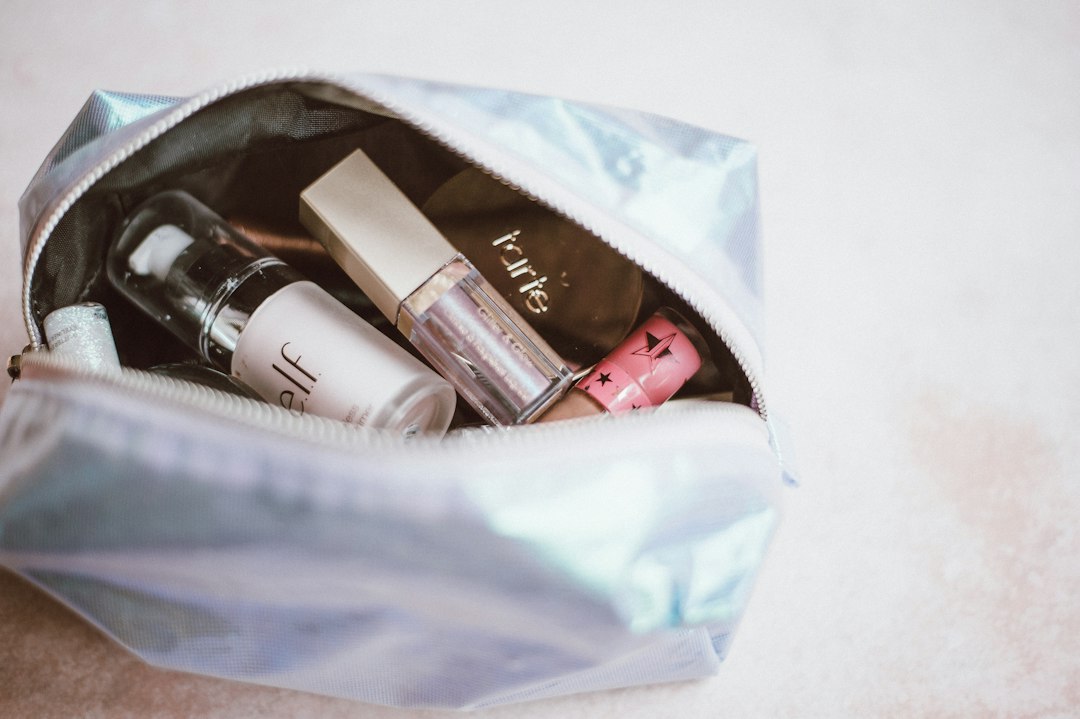
A good personal-care travel kit is not a miniature version of your entire bathroom.
It is a compact, repeatable set of the items you are most likely to use away from home, organized so you can pack quickly and notice what needs replacing.
Start with your actual daily routine
For three normal days, notice what you use morning and evening.

Your list may include:
- toothbrush and toothpaste;
- deodorant;
- face cleanser;
- moisturizer;
- hair-care basics;
- shaving or grooming tools;
- contact-lens supplies if applicable;
- simple makeup or styling products;
- personal hygiene items.
Do not add “travel essentials” just because they appear on someone else’s checklist.
Separate always-packed items from trip-specific items
A reusable kit works best when it contains a stable core.
Always-packed items might include:
- travel toothbrush;
- small comb;
- basic toiletry bottles;
- nail file;
- spare hair ties;
- compact grooming tool.
Trip-specific items may include:
- sunscreen for outdoor travel;
- special hair products;
- event-specific makeup;
- climate-specific skin products;
- prescription items that you manage separately.
This keeps the permanent kit light.
Use one container for liquids
Keep liquids together so leaks are easier to contain and airport packing is easier to verify.
If you are flying from a U.S. airport with liquids in carry-on luggage, TSA’s current 3-1-1 rule generally limits liquids, gels and aerosols to containers of 3.4 ounces or less inside one quart-size clear zip-top bag per passenger. Check TSA’s current rules before travel because security requirements can change.
Official TSA travel checklist: https://www.tsa.gov/sites/default/files/tsa-travel-checklist.pdf
Choose containers that match how much you actually use
A weekend trip rarely requires a large bottle of shampoo. A longer trip may justify more product or checked-luggage storage.
Before transferring a product, estimate how many uses you need and follow the product’s storage directions. Do not transfer products into containers that make them hard to identify.
Use two zones inside the toiletry bag
A simple system is often enough:
Zone 1: wet or liquid items
Use a washable pouch or leak-resistant compartment.
Zone 2: dry items
Keep brushes, combs, razors, small tools and dry products separate.
This reduces the chance that one leak contaminates everything.
Keep the kit partially ready between trips
After returning home:
- remove dirty or wet items;
- wash the bag if needed;
- refill low products;
- replace disposable items;
- return the kit to one storage location.
Do this soon after the trip rather than the night before the next one.
Avoid overpacking “just in case”
A travel kit becomes difficult to manage when every possible scenario gets added.
Instead, ask:
- Will I use this every day?
- Is it hard to replace at the destination?
- Does the trip create a specific need?
- Can one product serve more than one simple function?
Pack for the actual trip, not every imaginable problem.
Keep medications separate and clearly managed
Prescription and over-the-counter medications deserve their own organized system based on labeling, storage needs and travel requirements. Do not mix loose pills into an unlabeled personal-care pouch.
If you have specific medication or medical-device travel questions, check the relevant carrier, TSA or health guidance rather than relying on a general toiletry checklist.
What organizers are actually useful?
A hanging toiletry bag can help in small bathrooms. A clear pouch makes quick checks easy. Small refillable bottles reduce bulk. A rigid case may be better for fragile tools.
Choose the container after you know what the kit must hold.
Quick questions
Should you keep duplicates only for travel?
For inexpensive basics you use often, duplicates can make packing faster. For expensive or rarely used products, transfer or pack the main item instead.
How often should you review the kit?
After each trip is ideal. Also check periodically for dried-out products, damaged containers or expired items.
Is a bigger toiletry bag better?
Only if you need the capacity. Extra room often becomes an invitation to overpack.
If you need refillable bottles, a toiletry bag or travel organizers after you know exactly what your kit must hold, start with Happi Resources or compare current options through our approved Amazon route.
What to do next
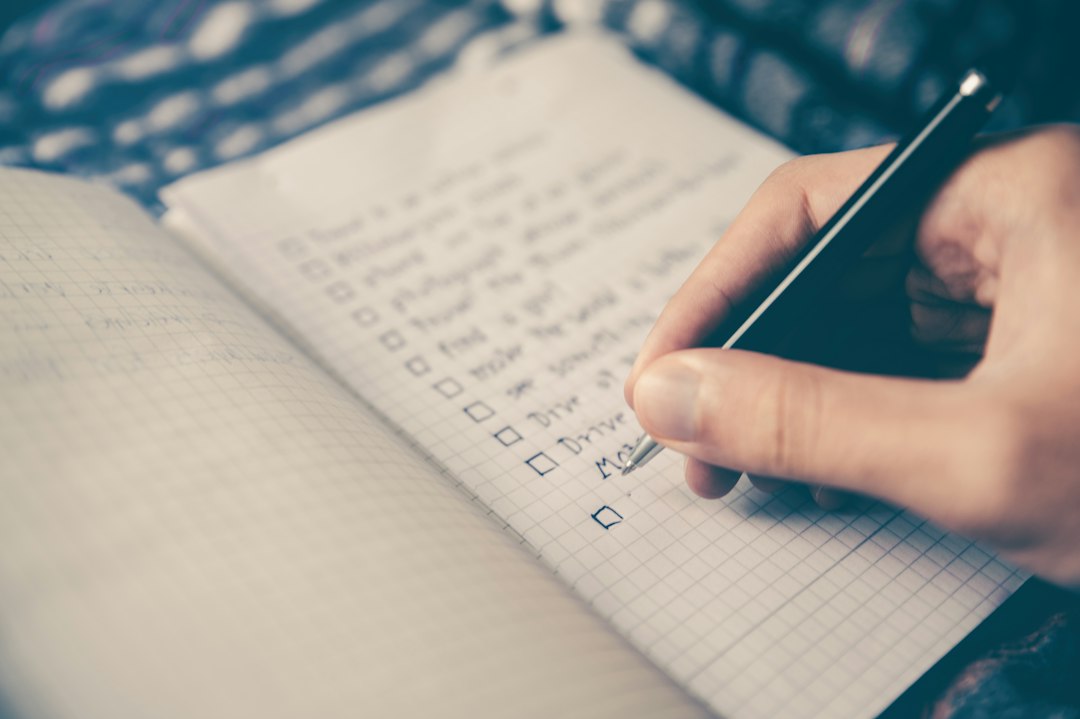
Place every personal-care item you used today on one list. Mark which five to eight items deserve a permanent place in your travel kit.
Then continue with the Self-Care & Simple Style hub and “Build a Simpler Everyday Wardrobe Without Chasing Minimalism.”