Hey, just so you know, some of the links on this site are affiliate links. That means I may earn a small commission if you buy something through them. It doesn’t cost you anything extra, and it helps me keep this site running. Thanks for your support!
Quick answer: organize everyday accessories by frequency, not by how impressive the storage looks. Keep the items you actually wear near the clothing or grooming routine where you choose them, and move occasional pieces to secondary storage.
Start with what you wore this week
Pull together the accessories that were actually used:
- belts;
- watches;
- jewelry;
- bags;
- hats;
- sunglasses;
- scarves;
- hair accessories.
These items deserve the easiest access.

Create a daily-access zone
Your daily zone can be small:
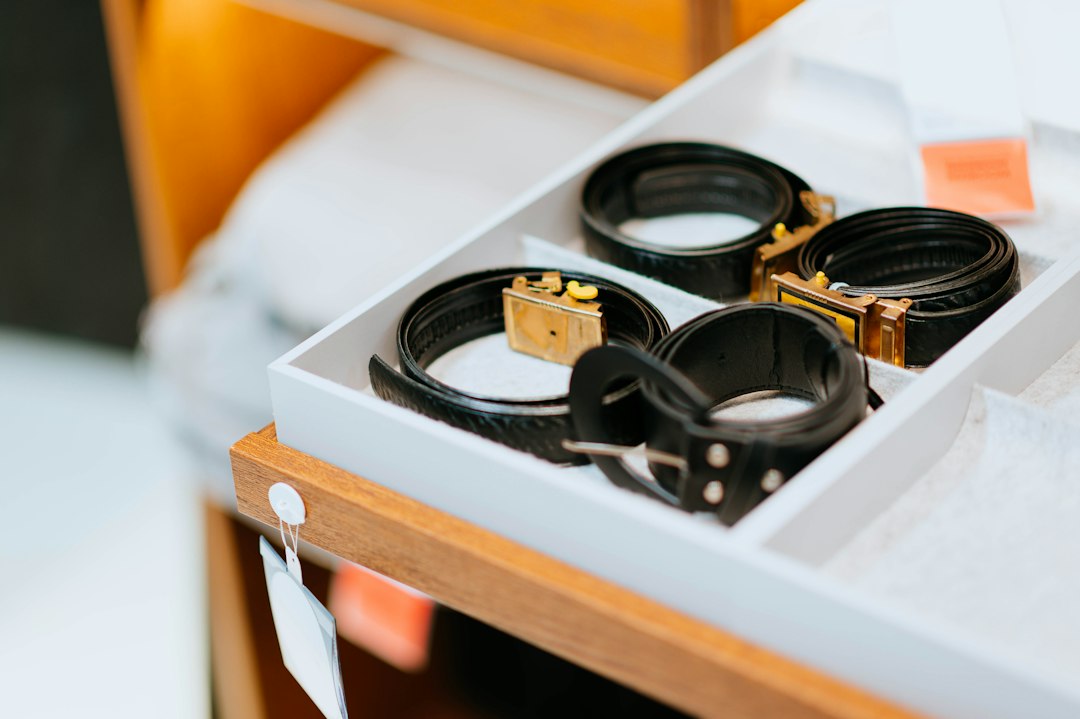
- one tray;
- one drawer;
- a few hooks;
- one shelf section;
- a small organizer near the closet.
Keep only frequent-use items there. If the zone becomes packed, the quick-choice benefit disappears.
Store by the moment you use the item
Put accessories close to the routine they support.
Examples:
- belts near pants;
- watches and jewelry near the dressing area;
- daily bags near the entryway;
- hair accessories near grooming supplies;
- sunglasses near keys if they leave the house with you.
This reduces searching and unnecessary movement between rooms.
Give occasional accessories secondary storage
Special-event jewelry, formal accessories, seasonal scarves and rarely used bags do not need prime space.
Move them to clearly labeled secondary storage so the daily zone stays simple.
Make small items visible
Small accessories disappear when they share a deep drawer.
Use shallow dividers or small trays for:
- earrings;
- rings;
- watch bands;
- hair clips;
- small wallets;
- keys or fobs.
Avoid creating dozens of tiny compartments unless the collection actually needs them.
Keep one “return home” point
Accessories are easier to maintain when they have one place to return after use.
If a watch, wallet or sunglasses regularly lands somewhere else, consider moving the official storage closer to that natural landing point.
Use hooks for items that need zero-friction storage
Hooks can work well for:
- belts;
- bags;
- hats;
- scarves.
Check hook and mounting specifications before loading heavier bags. Do not use decorative hooks beyond their intended weight.
Common mistakes
- displaying every accessory;
- keeping damaged or uncomfortable pieces in daily storage;
- buying a large jewelry cabinet before editing the collection;
- storing bags inside bags until nothing is visible;
- creating a system that takes longer to reset than getting ready.
Connect accessories to the wardrobe
If clothing itself is difficult to choose from, accessory organization will not solve the whole problem.
Use Build a Simpler Everyday Wardrobe Without Chasing Minimalism and A Practical Closet Decluttering Plan to simplify the surrounding system.
Choose storage after the routine works
If you need a tray, drawer insert, hooks or a small organizer, measure the space and the items first. Browse Happi Resources or our approved Amazon route only after you know the exact problem.
What to do next
Choose the accessories you used this week and give them one daily-access zone today.