Hey, just so you know, some of the links on this site are affiliate links. That means I may earn a small commission if you buy something through them. It doesn’t cost you anything extra, and it helps me keep this site running. Thanks for your support!
Quick answer: choose storage furniture by the behavior you need it to support. An ottoman works well when you need soft seating plus hidden storage. A bench is useful near entries or bedrooms where sitting and quick-access storage overlap. A cabinet is better when categories need shelves, doors and more structured capacity.
The right piece should remove friction in a specific clutter zone—not simply give clutter a larger place to hide.
First identify the clutter zone
Do not start by asking, “Which storage bench looks best?” Start with the problem:

- shoes pile up near the door;
- blankets take over the sofa;
- toys spread across the living room;
- bags land on the floor;
- paper and small household items need a closed home.
Once the category is clear, you can choose the furniture type.
Storage ottoman: best for flexible living spaces
A storage ottoman can combine seating, a footrest and concealed storage in one footprint.
It tends to fit best when:
- the stored items are soft or lightweight;
- you want the storage to disappear visually;
- the room benefits from flexible seating;
- you do not need internal shelves.
Common uses include blankets, game accessories and small living-room items.
Before buying, check the manufacturer’s dimensions, load rating and hinge/lid design. A padded top does not automatically mean the product is designed for every kind of seating load.
Storage bench: best when sitting and entry routines overlap
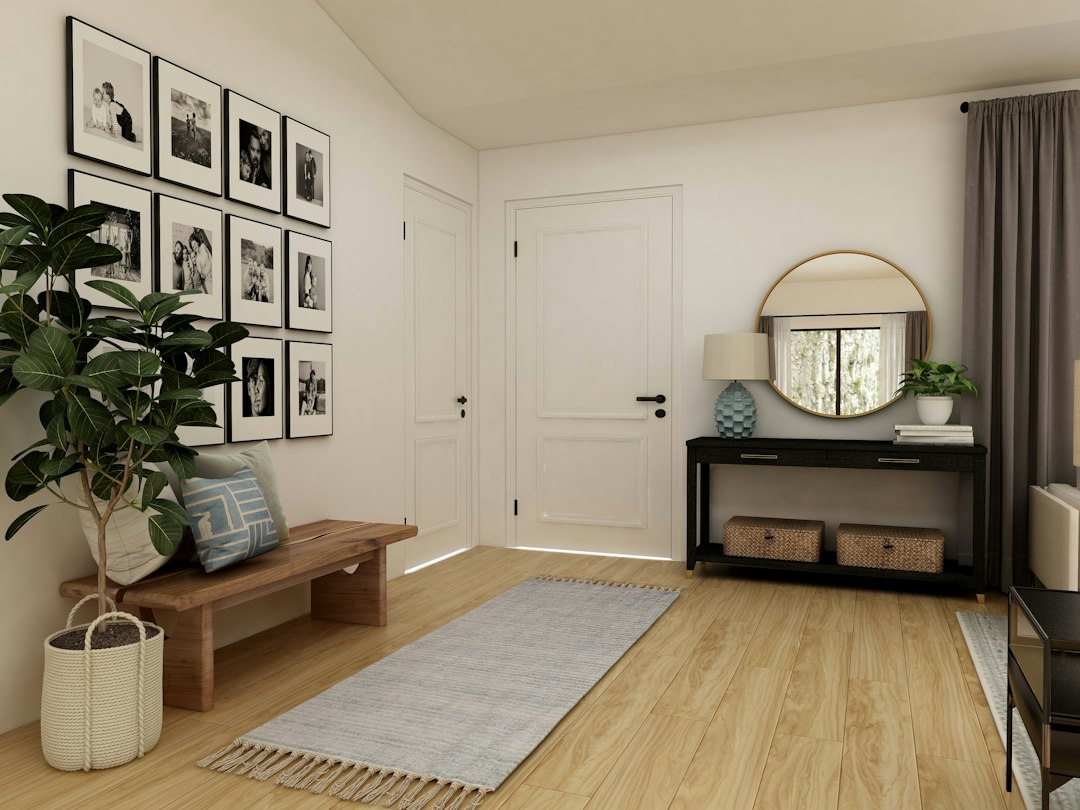
Benches make sense where people need to sit while putting on shoes, packing a bag or getting ready to leave.
Look for:
- seat height that feels practical;
- enough clearance for doors and walkways;
- storage that matches the items you actually use there;
- a structure rated for its intended load;
- easy access that does not require moving half the room.
An entry bench can pair especially well with the system in How to Create an Entryway Drop Zone That Stops Daily Clutter.
Cabinet: best for categories that need structure
A cabinet is usually better when you need shelves, adjustable storage or separation between categories.
Choose a cabinet when:
- you need more vertical storage;
- small items need shelves or bins;
- the contents should stay behind doors;
- the category is stable enough to justify a larger piece of furniture.
Cabinets generally cost more and occupy more visual space, so measure carefully.
Side-by-side decision factors
Access
Ottomans require lifting a lid. Benches may use drawers, shelves or a top compartment. Cabinets use doors and shelves. Choose the access method you will actually use when your hands are full.
Capacity
Do not compare only exterior size. Look at usable interior dimensions and whether dividers or shelves reduce flexible capacity.
Placement
Measure width, depth and lid/door clearance. Also measure the walking path around the furniture.
Visibility
Closed storage makes a room look calmer, but it can also hide categories so well that they become forgotten. Label internal bins if needed.
Maintenance
Upholstered storage can require different care than wood or metal. Check the manufacturer’s cleaning instructions before choosing fabric for high-use areas.
Common mistakes
- buying a piece before decluttering the category;
- choosing by exterior style without checking interior dimensions;
- blocking a door, vent or walkway;
- using one large compartment for five unrelated categories;
- assuming a storage seat supports adult weight without checking the rating.
Buy only after the category and measurements are clear
Once you know the exact job and available footprint, browse Happi Resources or compare current options through our approved Amazon route. This is research-based guidance, not hands-on testing of every product.
For more ideas on using existing space before adding furniture, read Small-Space Storage: 15 Ways to Add Function Without Adding Clutter.