Hey, just so you know, some of the links on this site are affiliate links. That means I may earn a small commission if you buy something through them. It doesn’t cost you anything extra, and it helps me keep this site running. Thanks for your support!
Quick answer: the household systems that save the most time are usually not complicated. They give recurring tasks a default place, trigger or sequence so you do not have to reinvent the process every week.
These seven systems focus on repeat friction: laundry, mail, meals, entry clutter, cleaning, supplies and weekly planning. You can build them one at a time.
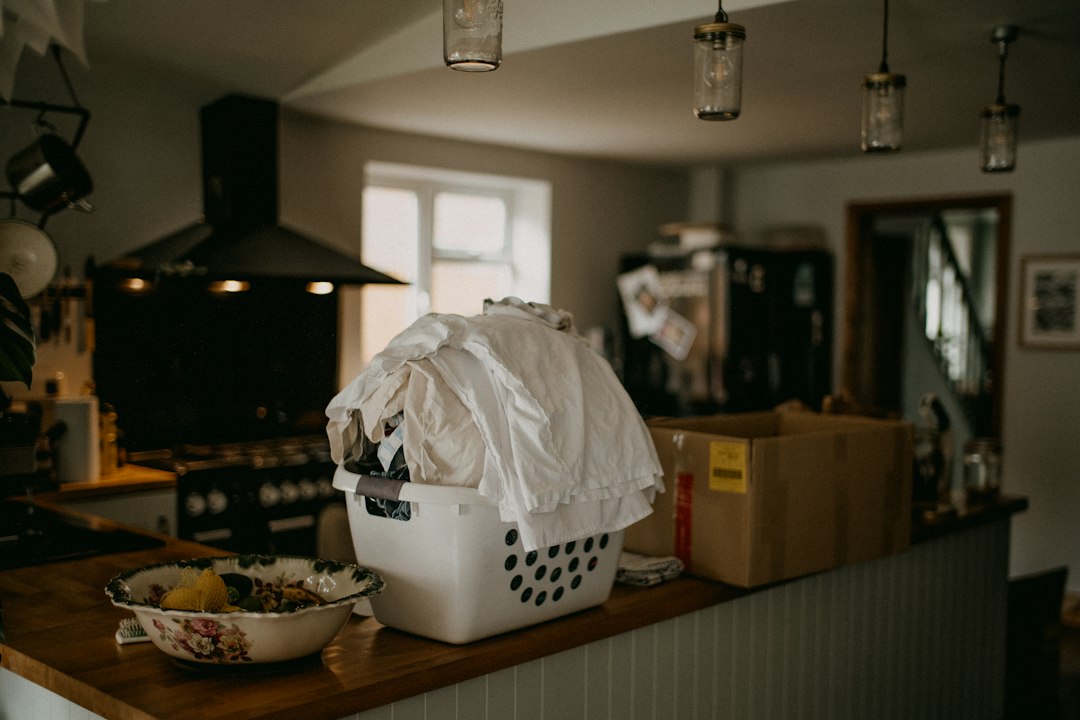
1. A laundry flow with a real finish line
Laundry becomes time-consuming when clothes stop between stages. A basket of clean clothes waiting three days to be put away is still unfinished work.

Create four stages:
- collect;
- wash;
- dry/fold;
- put away.
Define the finish line as back in storage, not “the washer ran.” If laundry is a recurring bottleneck, use the full Laundry Flow System.
2. One place for incoming paper
Mail, school papers, receipts and forms become expensive in attention when they land on several surfaces.
Use one inbox and four decisions:
- action;
- file;
- shred;
- recycle/discard.
Process the inbox on one or two predictable days instead of sorting papers every time they arrive.
3. A short list of default meals
You do not need a detailed meal plan every week to reduce dinner decisions.
Create a short list of easy fallback meals you already know how to make. Keep ingredients for two or three of them available when practical.
The point is not culinary perfection. It is having a reasonable answer for nights when no one wants to plan from scratch.
4. Entryway drop zones for daily carry items
Keys, bags, shoes, mail and chargers create repeated searching when they do not have a home.
Build the entry zone around what actually enters through the door. Use hooks, a tray, a paper inbox or a shoe area only where needed.
For a step-by-step setup, see How to Create an Entryway Drop Zone That Stops Daily Clutter.
5. A cleaning rhythm instead of a giant cleaning day
Separate quick maintenance from deeper cleaning.
A simple rhythm might be:
- daily — dishes, one counter, obvious trash;
- weekly — bathroom, floors, linens;
- monthly — selected deeper tasks;
- seasonal — low-frequency areas.
Your schedule should reflect the home you actually maintain. The Realistic Home Cleaning Schedule can help you build one without assigning every chore to every day.
6. One backup rule for household supplies
For frequently used basics, choose a simple replenishment rule.
Examples:
- open the last backup → add it to the shopping list;
- when the second roll/package starts → reorder;
- check one supply shelf before the weekly grocery trip.
This reduces both emergency shortages and accidental overbuying.
Use the rule only for supplies you genuinely consume. Do not create warehouse inventory for low-use products.
7. A weekly household reset
Once a week, review the small systems before they drift.
Check:
- calendar;
- laundry backlog;
- paper inbox;
- groceries/basic supplies;
- one clutter hotspot;
- anything that needs to leave the house.
The reset does not need to be a full cleaning session. Twenty to thirty minutes can be enough to restore visibility.
What makes these systems work
Each one has three parts:
- a home — where the item or task lives;
- a trigger — when you act;
- a finish line — how you know the loop is closed.
Without a finish line, “systems” become collections of baskets, apps and reminders.
Common mistakes
- building all seven systems in one weekend;
- buying organizers before identifying the friction;
- creating too many categories;
- making one person remember the whole system;
- keeping a process after it stops fitting the household.
How to start this week
Choose the system that currently wastes the most time. Do not optimize all seven.
Define the home, trigger and finish line for that one problem, then use it for a week before adding another.
Continue through the Better Daily Life hub for more practical routines.