Hey, just so you know, some of the links on this site are affiliate links. That means I may earn a small commission if you buy something through them. It doesn’t cost you anything extra, and it helps me keep this site running. Thanks for your support!
Quick answer: a beginner-friendly mobility routine can be simple: move major joints through comfortable ranges, keep the effort easy, avoid forcing painful positions and repeat the routine consistently. Mobility work can complement broader physical activity, but it is not a substitute for aerobic and muscle-strengthening activity.
This article provides general information, not individualized exercise, rehabilitation or medical advice.
What “mobility” means in a simple routine
In everyday fitness language, mobility usually refers to your ability to move a joint or body region through a useful range with control.

Federal physical-activity guidance discusses flexibility activities as a component of a broader activity program and notes that flexibility work can help improve range of motion. It also notes that flexibility activity by itself does not count toward the aerobic or muscle-strengthening guidelines. See the current Physical Activity Guidelines for Americans.
Start with areas that feel relevant to daily movement
You do not need a 30-exercise sequence.
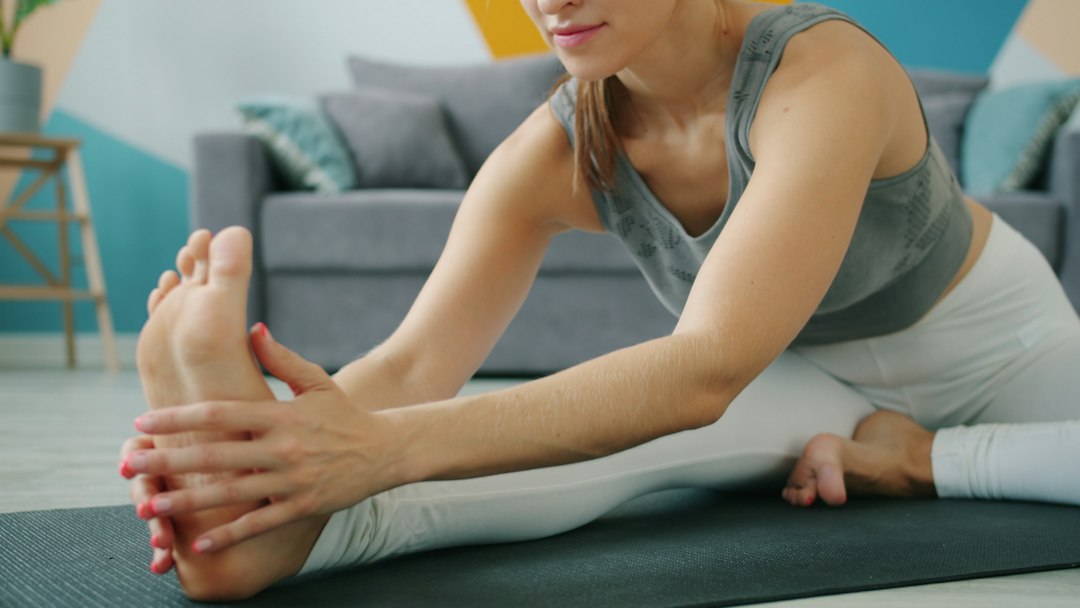
A simple routine may include gentle movements for:
- neck and shoulders;
- upper back;
- hips;
- knees;
- ankles.
Choose movements you can perform comfortably and control.
Use a comfortable range, not a maximum range
The goal is not to force a dramatic stretch.
Move slowly into a range that feels manageable, then return. Avoid bouncing or pushing through sharp pain.
If you have an injury, recent surgery, neurological condition, balance concern or persistent pain, individualized guidance from a qualified health professional may be appropriate before starting a new routine.
Pair mobility with an existing cue
A short routine is easier to remember when attached to something that already happens.
Examples:
- after morning coffee;
- after a long desk block;
- before an ordinary walk;
- after changing into home clothes;
- during a regular movement break.
For desk-heavy days, see Easy Movement Breaks for Desk Days.
Keep the first routine short
Five to ten minutes may be enough for a beginner to learn what feels comfortable.
A simple structure:
- one or two gentle upper-body movements;
- one or two hip/leg movements;
- one ankle or balance-adjacent movement if appropriate;
- repeat only while form and comfort remain good.
You do not need to chase a large number of repetitions.
Mobility is only one piece of physical activity
CDC guidance for adults recommends moving more and sitting less and describes a weekly goal of at least 150 minutes of moderate-intensity aerobic activity plus muscle-strengthening activity on two or more days. Activity can be accumulated in smaller chunks. See the current CDC adult activity overview.
Mobility can support comfortable movement, but it should not be treated as a replacement for the rest of an activity plan.
Common mistakes
- forcing range of motion;
- copying advanced routines before learning basic control;
- treating pain as proof that the routine is working;
- changing exercises every day;
- turning a five-minute routine into a complicated program.
What equipment do you need?
Often none.
A clear floor area and stable support may be enough. A mat can add comfort for floor-based movements, and a light resistance band may be useful for some routines, but equipment should follow the routine rather than define it.
How to keep it sustainable
Use the same short routine for a week or two before adding complexity. Notice which movements feel useful and which create unnecessary friction.
What to do next
Choose three comfortable movements and attach them to one existing daily cue. Then continue with How to Start a Daily Walking Habit Without Overcomplicating It and the Active Lifestyle hub.