Hey, just so you know, some of the links on this site are affiliate links. That means I may earn a small commission if you buy something through them. It doesn’t cost you anything extra, and it helps me keep this site running. Thanks for your support!
Quick answer: open shelving works best when visibility and fast access matter. Closed storage works best when visual calm and concealment matter. Most homes benefit from a mix rather than using one storage style everywhere.
Open shelving: strengths
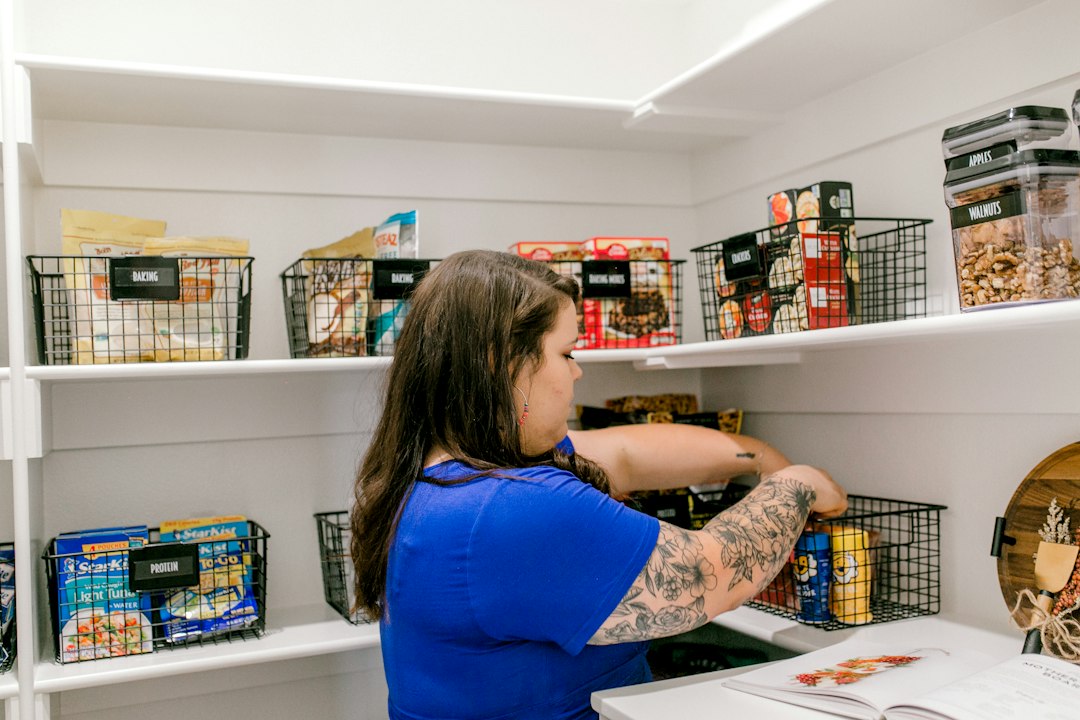
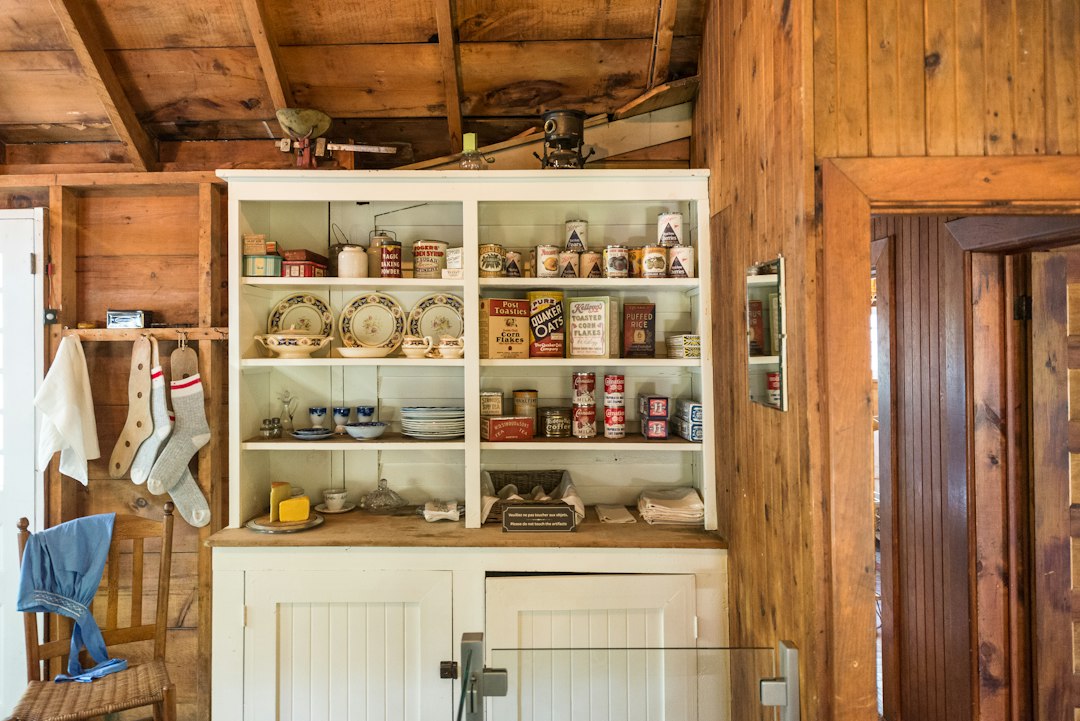
Open shelves make items easy to see and reach.
They are useful for:

- frequently used kitchen items;
- books;
- daily baskets;
- decor mixed with functional objects;
- categories that need quick visual inventory.
Open storage can reduce the “out of sight, forgotten” problem.
Open shelving: limits
Everything remains visible.
That means:
- visual clutter is harder to hide;
- dust is easier to notice;
- items may need more regular resetting;
- mixed packaging can make shelves look busy.
Open shelves work best when the category itself is fairly controlled.
Closed storage: strengths
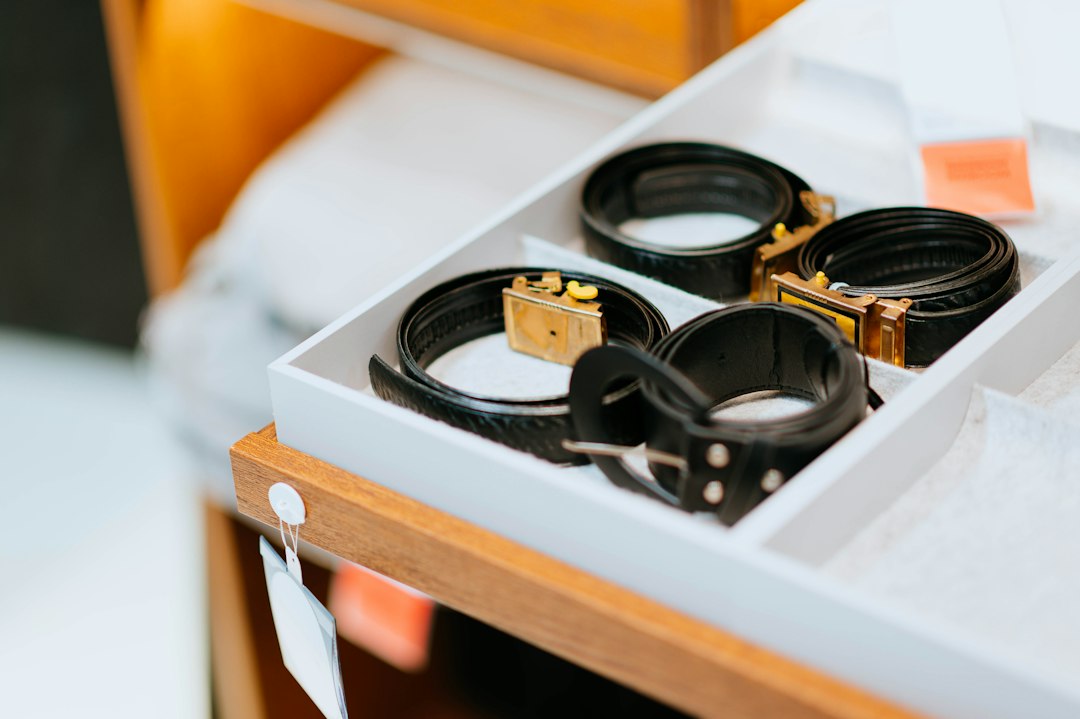
Cabinets, drawers and closed bins conceal visual noise.
They work well for:
- personal-care backups;
- cleaning supplies;
- mixed household tools;
- paperwork;
- electronics and cables;
- less-attractive packaging.
Closed storage can make a room feel calmer even when the contents are practical rather than pretty.
Closed storage: limits
Hidden storage can become forgotten storage.
Deep cabinets and drawers can collect duplicates when contents are difficult to see.
Labels, dividers and periodic review may be more important.
Side-by-side decision factors
Access
Open: fastest for frequent-use items.
Closed: adds a door, drawer or lid but protects visual calm.
Visibility
Open: easy inventory.
Closed: requires memory or labels.
Maintenance
Open: more visible dust and disorder.
Closed: surfaces may look cleaner while internal clutter grows unnoticed.
Small spaces
Open: can feel lighter but visually busier.
Closed: can look calmer but bulky furniture may take more visual space.
Shared households
Open: easy to understand at a glance.
Closed: may need labels or agreed locations.
Where open storage often works well
- bookshelves;
- entry hooks;
- everyday kitchen dishes;
- frequently used baskets;
- simple home-office references.
Where closed storage often works better
- cleaning products;
- paperwork;
- backup toiletries;
- mixed electronics;
- infrequent supplies;
- categories that create visual noise.
A hybrid approach is usually strongest
Use open storage for what you want to see and reach. Use closed storage for what you want contained.
Example:
- open shelf for daily towels;
- closed cabinet for backups and personal items.
This keeps frequently used items accessible without putting every category on display.
Common mistakes
- installing open shelves before reducing inventory;
- using closed cabinets as permanent clutter hiding places;
- buying furniture without measuring door and walkway clearance;
- choosing a style because it photographs well rather than because it fits the routine.
How to choose before buying
Identify the category, frequency of use and how much visibility helps. Measure the exact space and check the manufacturer’s dimensions and load limits for any shelving or furniture.
If a storage product is genuinely needed, browse Happi Resources or compare current options through our approved Amazon route. This is research-based guidance, not hands-on testing of every storage system.
What to do next
Choose one clutter zone and decide whether visibility or concealment would make it easier to maintain.