Hey, just so you know, some of the links on this site are affiliate links. That means I may earn a small commission if you buy something through them. It doesn’t cost you anything extra, and it helps me keep this site running. Thanks for your support!
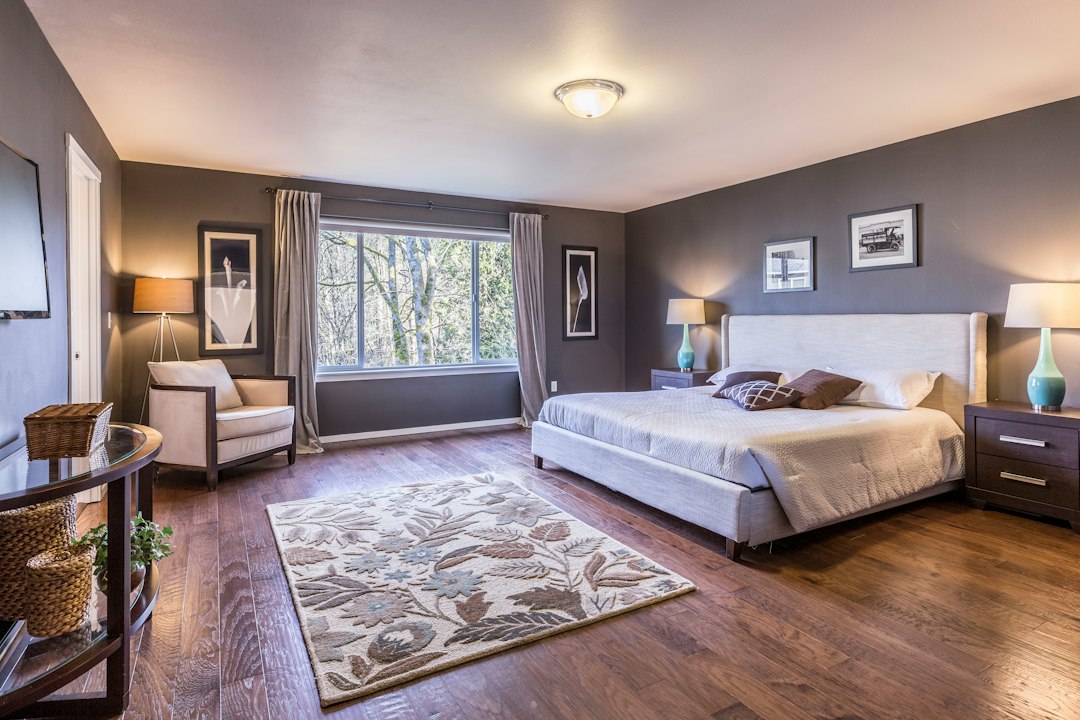
Quick answer: declutter a bedroom by restoring its main functions first: sleeping, dressing, getting ready and storing personal items. Clear the floor and main surfaces, reduce clothing overflow, move unrelated items elsewhere and create simple homes for what stays.
You do not need to empty the whole room at once. Work in zones so each session leaves the bedroom more usable than before.
Start with the surfaces you see first
Begin with the nightstand, dresser top, chair and any surface that has become a holding area.

Sort visible items into:
- belongs here;
- belongs somewhere else;
- trash/recycling;
- decision later.
Keep the “decision later” group small. The goal is to recover usable space, not create a new pile.
Clear the floor next
Floor clutter makes a room feel crowded quickly.
Remove:
- shoes that belong in storage;
- laundry that belongs in a hamper;
- bags that need a hook or shelf;
- boxes that should be unpacked;
- items that migrated in from other rooms.
Do not organize the floor. Remove what does not belong there.
Fix clothing overflow before buying storage
If clean clothes live on a chair, bench or treadmill, the issue may be the wardrobe system rather than a lack of containers.
Ask:
- Are drawers too full?
- Are hangers crowded?
- Are seasonal items taking prime space?
- Is the laundry flow stopping before clothes get put away?
Use A Practical Closet Decluttering Plan for the clothing category itself.
Give the nightstand one job
A nightstand does not need to store everything you use in the bedroom.
Keep only the items that support the evening and morning routine, such as:
- lamp;
- book;
- water if you keep it there;
- glasses;
- charger if that is the chosen charging location.
Move paperwork, receipts, makeup bags and unrelated household items elsewhere.
Create an “out of the bedroom” basket during the reset
Use one basket for items that belong in other rooms.
Finish the bedroom zone first, then make one trip to return everything. This prevents the decluttering session from turning into ten side projects around the house.
Use under-bed storage carefully
Under-bed storage can be useful for:
- seasonal clothing;
- spare linens;
- low-frequency accessories.
Label what is stored and leave access clear enough that you can retrieve it without dismantling the room.
Do not use under-bed space as a hidden destination for undecided clutter.
Keep daily-use items easiest to reach
Prime storage should support the routine you repeat.
Daily clothes, frequently used accessories and current personal-care items deserve better access than sentimental items, old electronics or rarely used bags.
Common bedroom decluttering mistakes
- emptying every drawer and closet at once;
- buying bins before reducing the amount of stuff;
- moving clutter from the floor into a chair or basket;
- keeping every sentimental item in daily storage;
- using the bedroom as overflow storage for the entire house.
How to keep the room functional
Use a short weekly reset:
- put away clean clothing;
- empty the hamper if needed;
- clear the nightstand;
- return stray items;
- reset the floor.
Ten minutes can be enough when the room has clear homes for everyday items.
Choose organizers only after the edit
If you still need under-bed containers, drawer dividers or closet storage after decluttering, measure the exact space first. Browse Happi Resources or compare current options through our approved Amazon route.
What to do next
Choose one bedroom zone—the nightstand, chair, dresser or floor—and finish that area completely before opening a drawer.
Then continue through the Organization & Decluttering hub.